
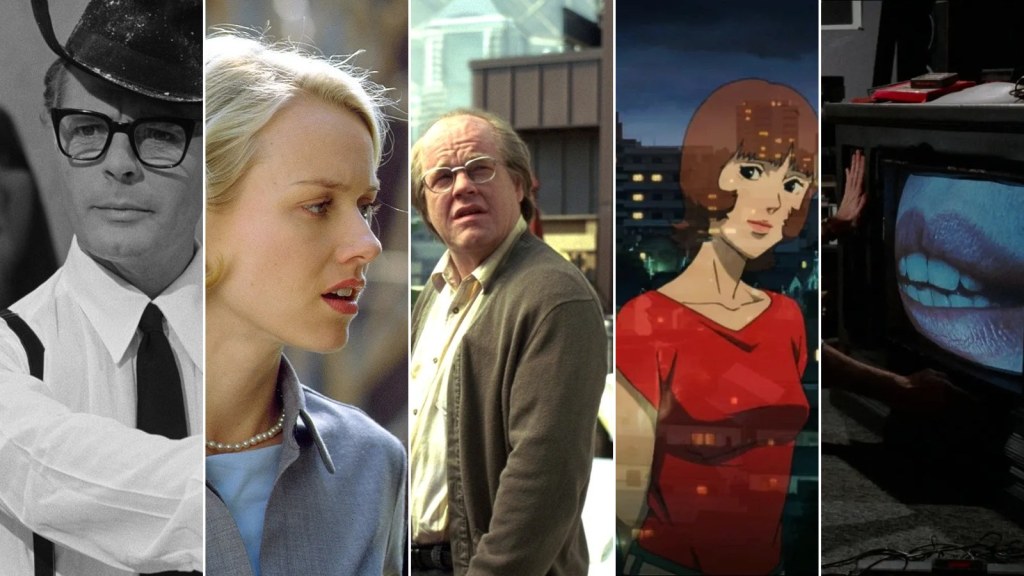
When you want to get lost in a film that takes you into dreams, begin with this list of surreal movies to watch.
The other night I was halfway through watching Charlie Kaufman’s Synecdoche, New York when I paused it to go to the kitchen, and I found myself feeling almost high, still caught in the movie’s dream. I was so immersed in the dream sphere that I could not come back to reality for a brief moment. I watched myself in the kitchen as if I had stepped outside my body, an observer living the moment like a dream. I experienced an insane example of what a piece of art can make you feel.
This experience, along with a dear friend’s request, led me to build this list. Before I began, I wanted to understand what surrealism in film really is, and how cinema can carry it. And with that, let’s have a quick refresher on what surrealism in film means:
“Psychic automatism in its pure state…” This is how the French poet André Breton defines surrealism in his 1924 Manifesto of Surrealism, meaning thought expressed freely, without control of reason. Inspired by Freud’s theories of the unconscious and growing discontent with rationalism after World War I, surrealists called for a suspension of rationality so that imagination could lead. The movement was born in the French avant-garde, and cinema was one of the earliest forms of art we see it play out in.
Today, surreal movies aren’t connected by a common style but by a willingness to break social conventions and the boundaries of reality, and to bring forth a world without logic or rules. They evoke dreamlike states where meaning emerges through images, associations, and emotions rather than a chain of cause and effect.
So here on Filmsical, we bring you 9 surreal films to watch for those who want to get lost in the dream of an artist’s mind:
1. The Discreet Charm of the Bourgeoisie (1972)
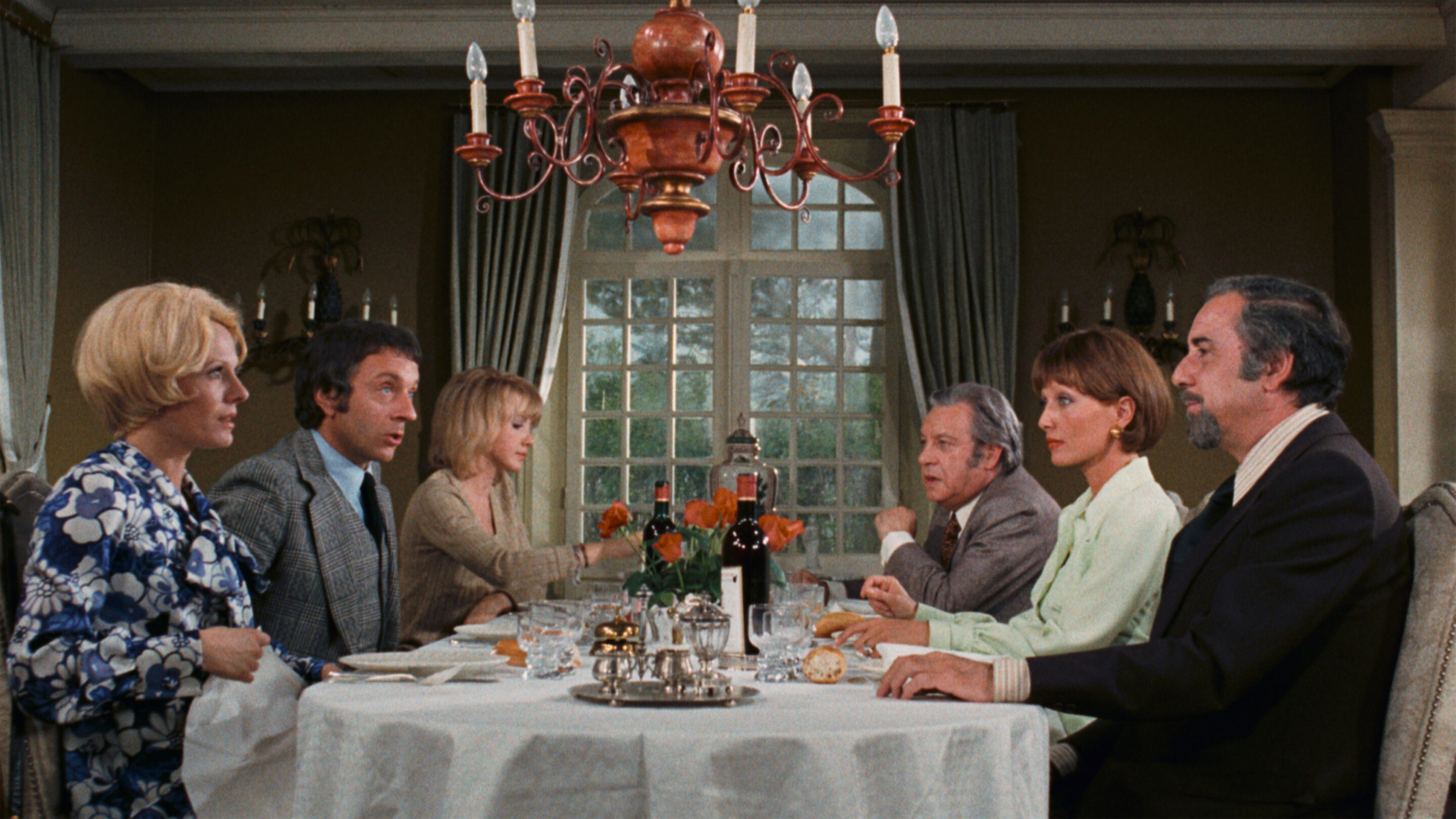
No list of surreal films is complete without Luis Buñuel. Together with Salvador Dalí, he made Un Chien Andalou (1929), one of the first surrealist films. In The Discreet Charm of the Bourgeoisie, a group of wealthy friends, one of them an ambassador (played by Fernando Rey), keep trying to sit down to dinner together, and something always gets in the way, each time more absurd than the last: a dead restaurant owner in the next room, or dreams within dreams. It won the Oscar for Best Foreign Language Film, and it is one of the main introductions to the surreal film sphere.
2. 8½ (1963)
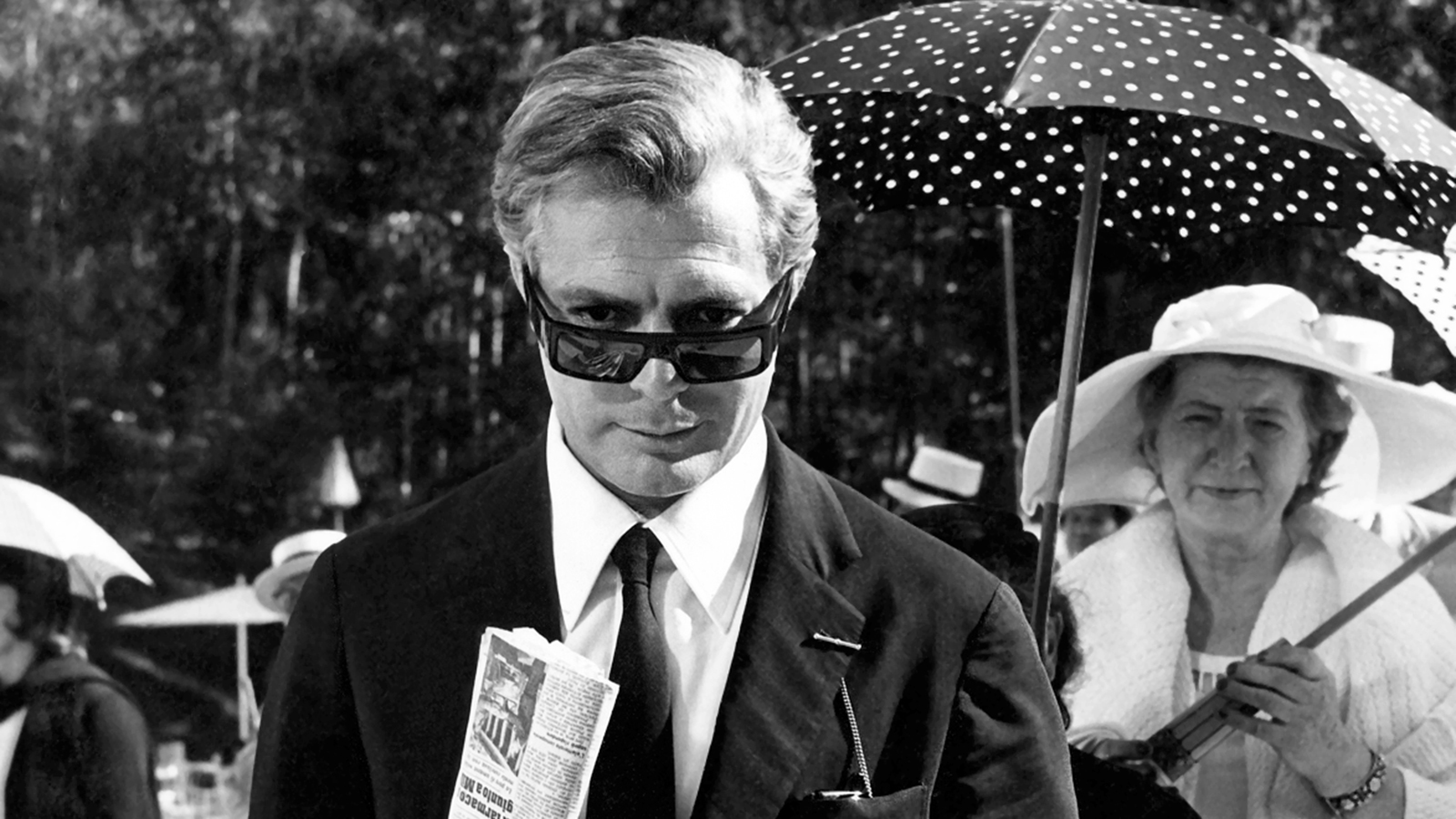
Perhaps legendary filmmaker Federico Fellini’s most famous film, 8½ shocks the mind in so many ways if you are not prepared for it, and it may require multiple watches to understand or like the story. Yet 8½ is more than a story. It stuns most with its visuals and deeply creative scenes, which in their essence show what is going on in the mind of a director, Guido Anselmi (played by Marcello Mastroianni), as he struggles with a creative block while staying at a resort. It leaves an undeniable impression on the mind because of its many creative ideas that were new then, and still feel new now.
3. Mulholland Drive (2001)

David Lynch goes down as one of the best directors of our age, probably mostly because of one of his many masterpieces, Mulholland Drive. It has two women at its center: Betty (played by Naomi Watts), an aspiring actress who arrives in Los Angeles, and a woman with amnesia (played by Laura Harring) whom she finds in the apartment she is staying at. As they try to find out who the woman is and what happened to her, the film reels us into a chaotic tangle of storylines and clues, making us question who is who and when is when. It is one of those films that ask for a rewatch to understand it better, but it is also beautiful the way it is, in its confusing and undeciphered self.
4. Eraserhead (1977)
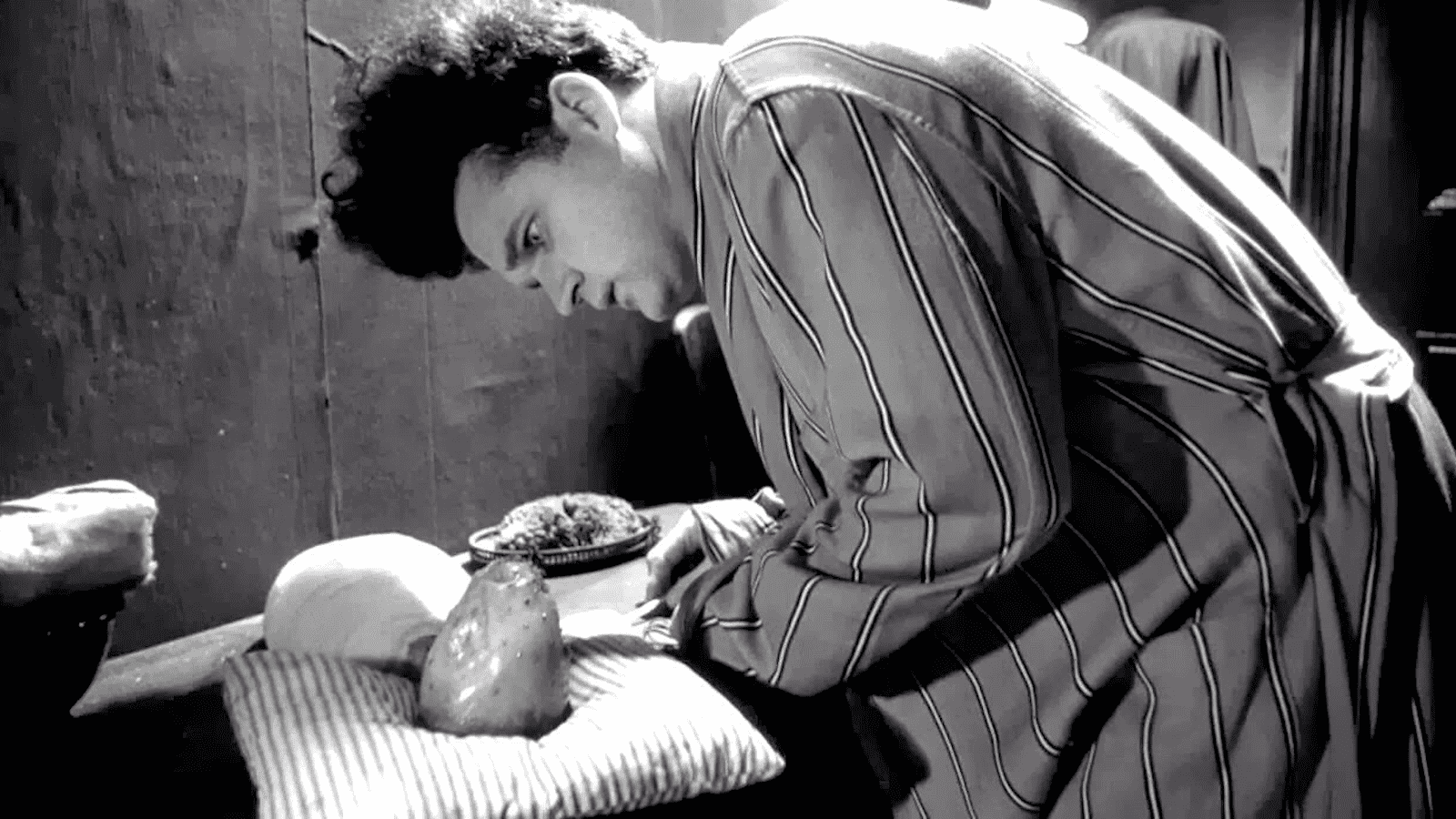
Before Mulholland Drive, there was Eraserhead, David Lynch’s first feature film ever. It is a nightmare more than a dream, and it manages to keep you immersed just as much. Henry Spencer (played by Jack Nance) is left to take care of a strange, almost non-human baby that his girlfriend gives birth to. Shot in black and white over five years, it takes us on a journey through strange encounters, machines and radiators. Like most surrealist movies, it does not ask to be explained even though you might very well be tempted to do so.
5. Being John Malkovich (1999)
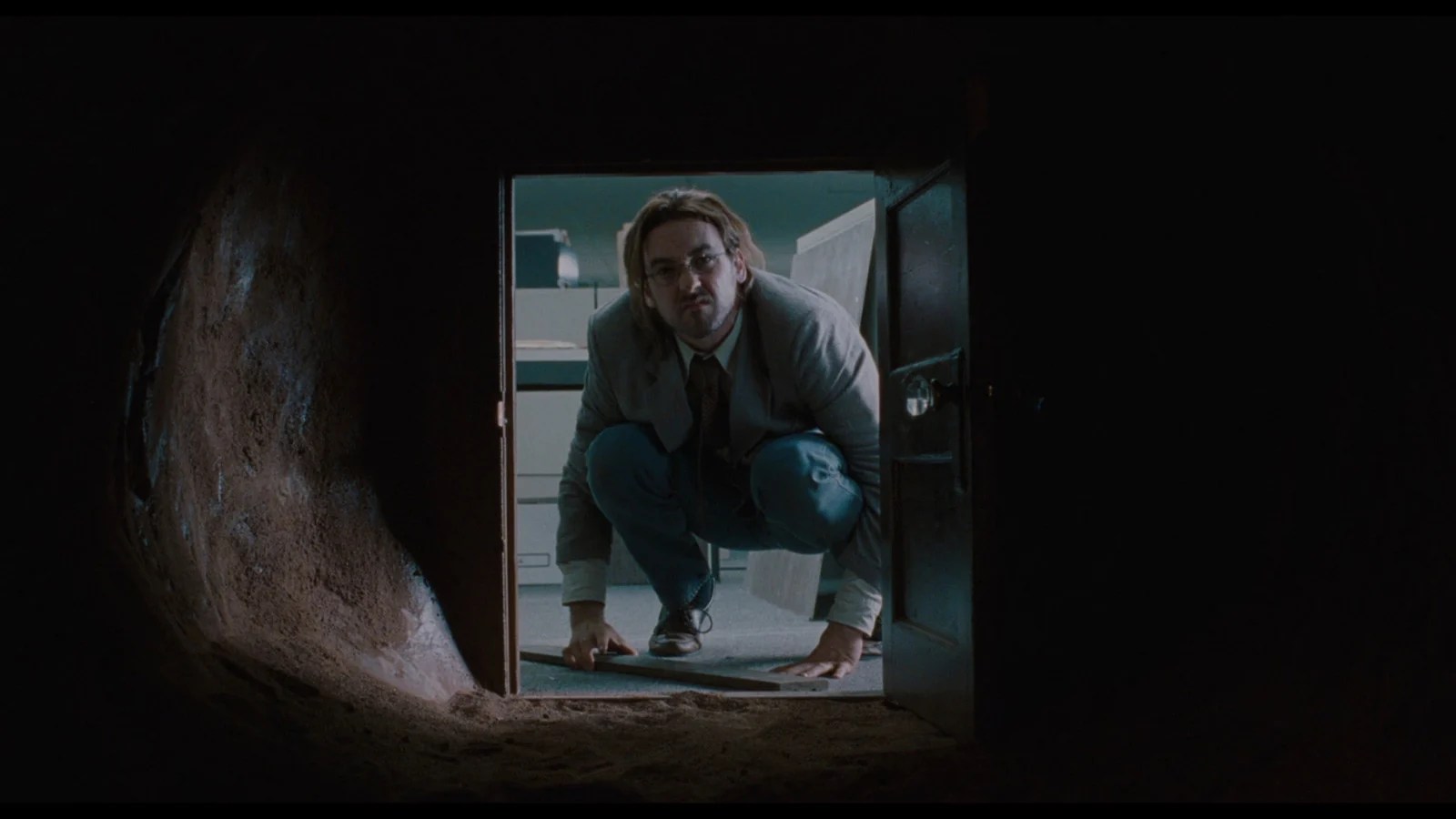
Malkovich? Malkovich Malkovich. Being John Malkovich is a Charlie Kaufman classic, directed by the one and only Spike Jonze, and it is safe to say that if you are new to the world of Charlie Kaufman, this film might be your first stop before you dive deeper. Being John Malkovich is about Craig Schwartz (played by John Cusack), a puppeteer who discovers a secret portal at his new office job, which leads into the mind of John Malkovich, the famous actor we all know. The movie raises questions about identity and free will. With its captivating story, it gets you hooked and welcomes you into its surreality.
6. Synecdoche, New York (2008)
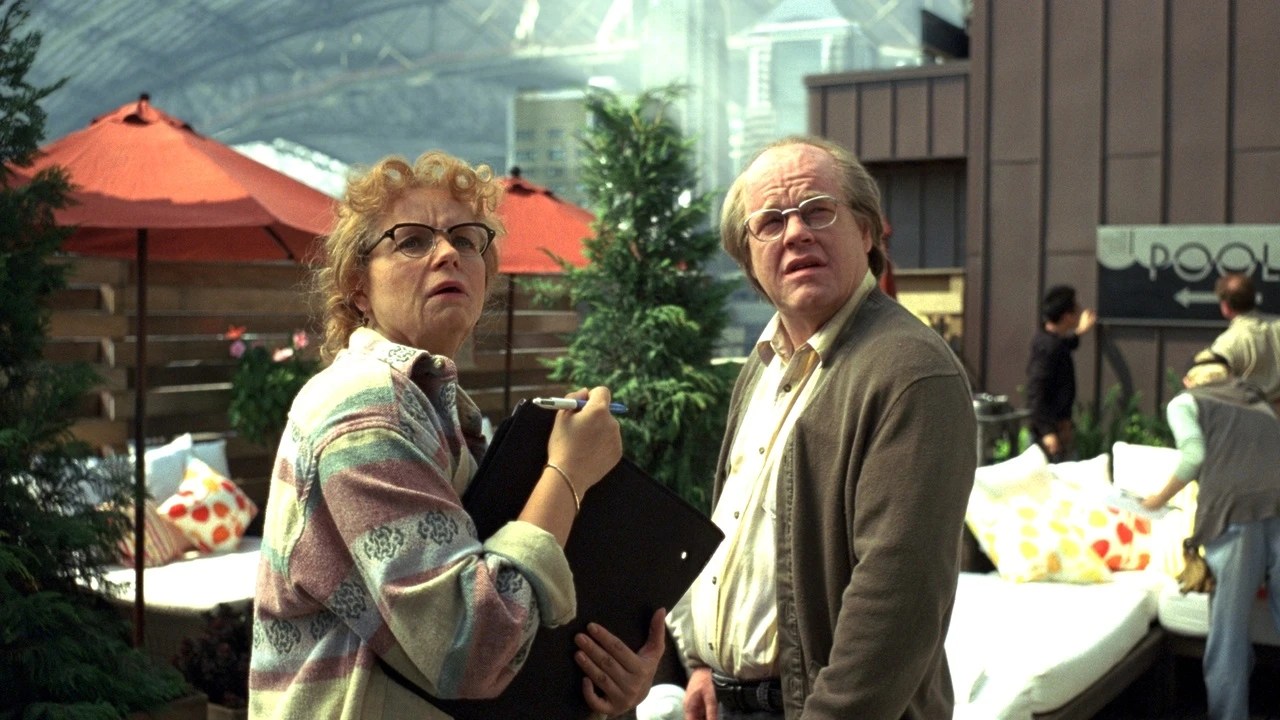
Synecdoche, New York is the film that led to this list of surreal movies. It is so surreal, and its transitions are so smooth, that you don’t realize when reality has fully become a dream deep into the movie. Charlie Kaufman’s Synecdoche, New York has a theater director at its center, Caden Cotard (played by Philip Seymour Hoffman), who, similarly to 8½’s Guido, struggles to finish a new play he has been working on, and meanwhile loses his wife and daughter and goes through various heartbreaks in his romantic life throughout the years. We get so lost in his struggles that his pain becomes ours, and it feels as if we have been on this years-long journey with him the whole time. Time becomes nonlinear, and characters become intertwined with one another. With Synecdoche, New York, Charlie Kaufman makes us ask: What is going on in this guy’s head? And definitely not in a negative way.
7. Brazil (1985)
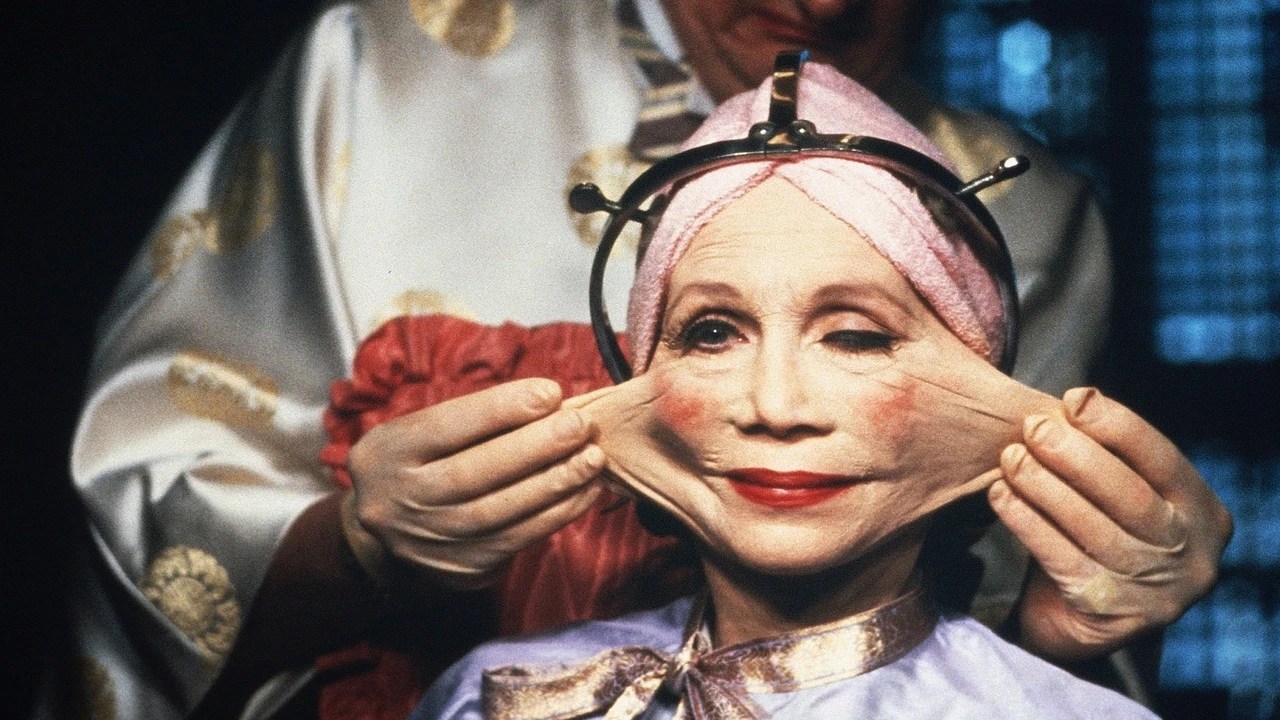
On the surface a science fiction film, and one that definitely deserves its spot among the most transcendent science fiction films, Brazil by Terry Gilliam is a deeply surreal film at its heart, with strong social and political criticism of totalitarianism, bureaucracy, and consumerism. Its protagonist is Sam Lowry (played by Jonathan Pryce), a low-level government clerk newly promoted to the most prestigious job there can be through his mother’s connections. Alongside his new job and the events that follow, he struggles with the AC system in his flat, and he has constant dreams about a girl he has never seen before. We get lost in this film, immersed in Sam’s world, and lose track of when it is a dream and when it is not.
8. Videodrome (1983)
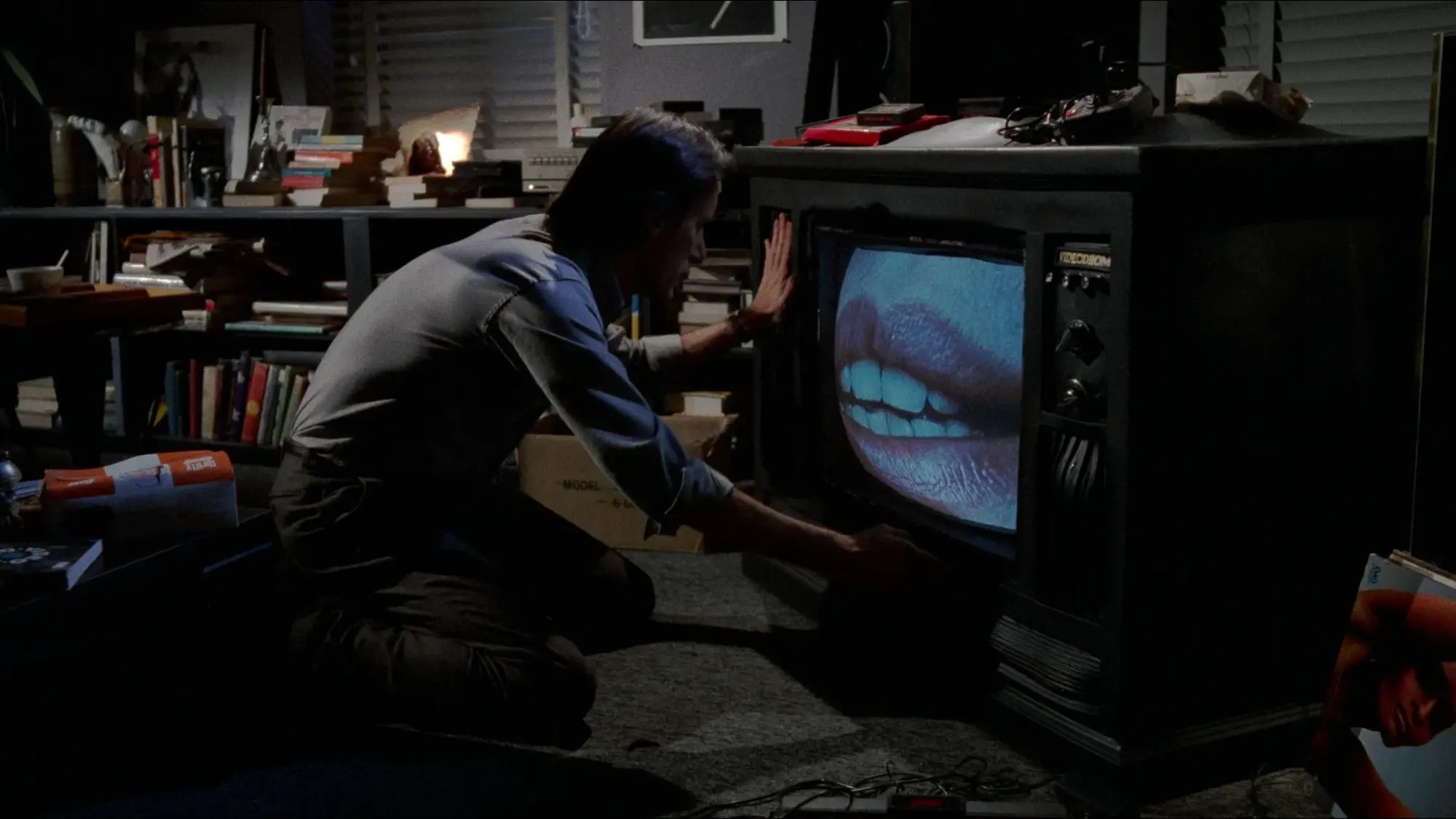
As disturbing as it is, as all body horror films are, Videodrome by David Cronenberg must be on this list purely because of its revolutionary take on how TV can alter us, and its insight into this topic in a surreal way. In the film, Max Renn (played by James Woods) runs a small cable TV channel in Toronto and is always looking for something shocking to air until he encounters Videodrome, a pirate broadcast involving torture and murder. The more he watches Videodrome, the more dreamlike it gets, the more he hallucinates, and the more he loses his grip on what reality is.
9. Paprika (2006)
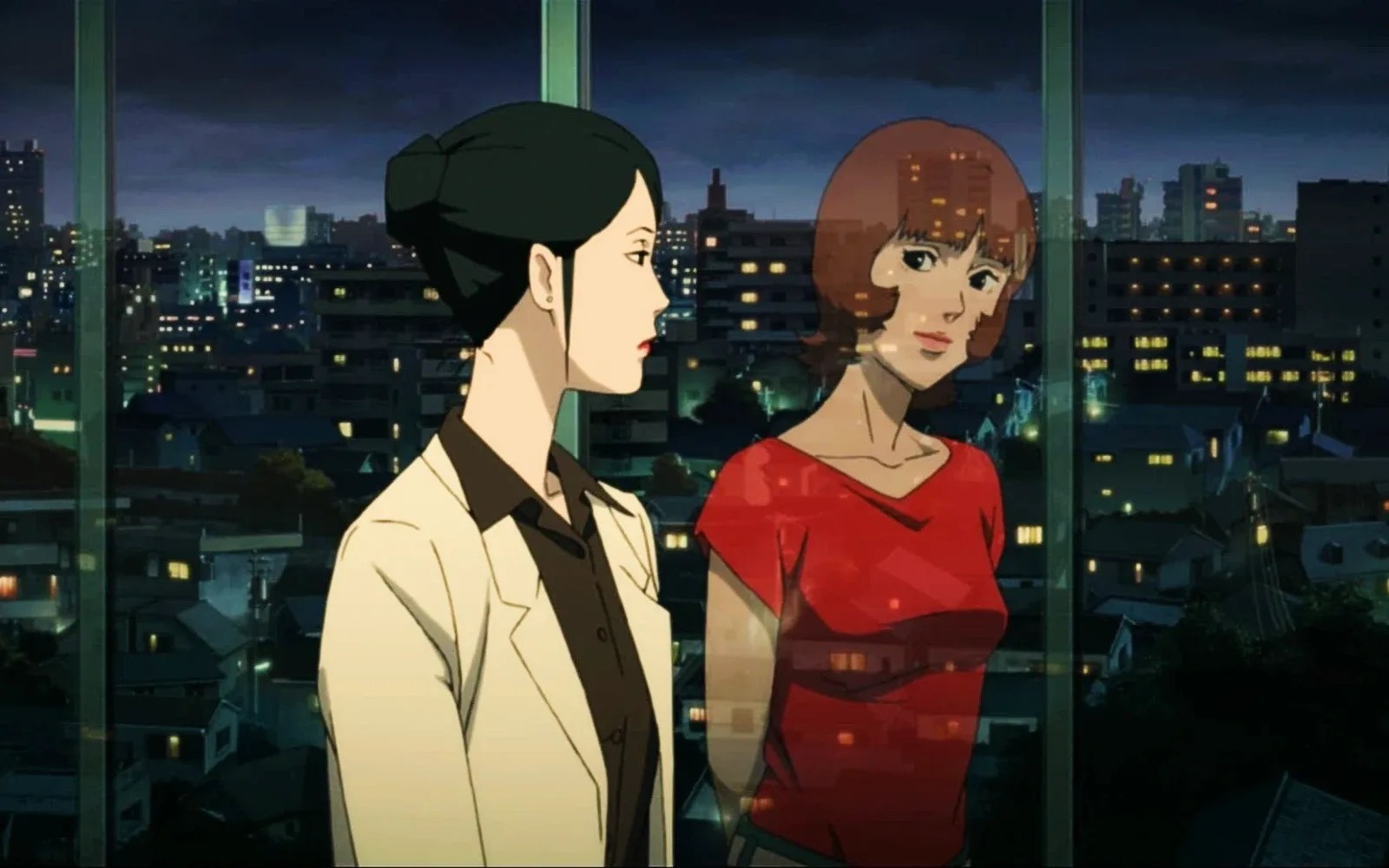
Satoshi Kon’s Paprika is one of the most acclaimed anime films of our time, and it is often said to have inspired Christopher Nolan’s Inception. Dr. Atsuko Chiba (voiced by Megumi Hayashibara) uses a device called the DC Mini to enter her patients’ dreams and help them as her alter ego, Paprika. When the device that she uses to do this is stolen, dreams start leaking into the real world, and all hell breaks loose with the divide between dream and reality getting lost.

Leave a Reply